
Match a microphone cable to a mixer or audio interface
A singer moving from a powered stage speaker to a recording interface may need a different input setting even when the microphone cable is identical. Start at the microphone’s output and trace the entire run to the socket where gain is controlled.
Check the input that will receive the microphone
A balanced XLR male-to-female extension can carry a compatible microphone to a mixer. An XLR-to-quarter-inch lead ends at a different kind of jack. On some interfaces the quarter-inch socket selects a line or instrument input even when it shares a housing with the XLR input. Check the manual before buying an adapter.
Test the microphone at speaking level
Use one microphone on one input. Watch its meter while speaking and monitor through headphones. If the channel shows a clean signal but the room is silent, inspect the output routing before replacing the lead. Speaker terminals listed alongside these parts serve a different job.
What if one performer needs extra distance?
Measure from the stand down to the floor and back up to the input panel. An extension can preserve a lead already secured to a boom. Keep the join reachable and away from the place performers step during rehearsal. Number the two ends if several microphones share the same route.
Put a podium mic on the correct mixer input
At a temporary lectern, look under the mic base before estimating the distance to the stage box. Some microphones already have a cable ending in a male XLR. Others present a connector on the body and need a complete lead. Note whether the mixer end expects XLR or a quarter-inch input and what signal level it accepts. The 10XR-01450 combines XLR male with quarter-inch mono male; its ends cannot serve every microphone-to-mixer route. Ask the sound operator how the microphone will be powered when power is required. Test spoken words at working volume before routing the lead along the podium. Keep the connector latch accessible beneath the lectern shelf.
Can I plug an XLR microphone into the USB port of a laptop?
A laptop’s USB port expects a digital USB device. A conventional XLR microphone produces an analog signal, so the recording chain needs a microphone input, appropriate gain and analog-to-digital conversion. Compare an audio interface or a purpose-built USB microphone adapter that provides those functions. Check the microphone manual to see whether it needs phantom power and whether the interface supports it on the selected input. The XLR lead covers the distance between microphone and interface. Placing the interface within reach of the person supervising the session lets them adjust gain and listen through headphones without walking back to the laptop. That arrangement may call for a longer microphone lead and a shorter computer connection. Sketch where the speaker and operator will actually sit.
Compare parts for your setup
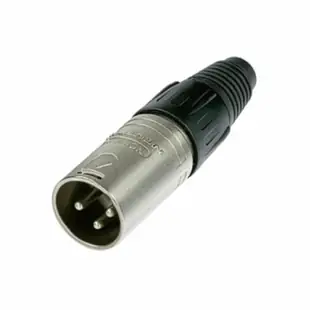
XLR Audio Extension Cable, balanced, XLR Male to XLR Female, 100 foot
10XR-012HD
- Connector references
- XLR · XLR Male · XLR Female
- Length
- 100 ft
Match the pin count, connector sex and input signal level, especially if the other end is a quarter-inch plug. Measure the installed route against this 100 ft length.


