
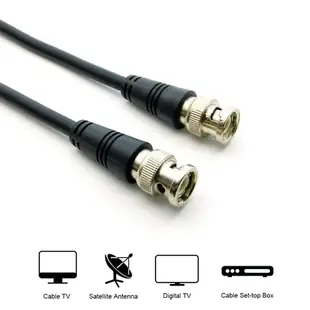
Is this six-foot RG6 BNC jumper right for my rack?
An RG6 cable with two BNC ends fills a specific gap between compatible pieces of equipment. This shelf contains a six-foot finished lead. If you are comparing it to television coax with threaded F plugs, look closely at the bayonet collar and the jacks on the devices.
Which specifications should I confirm?
Read the signal format, impedance and bandwidth required by the source and destination. An RG6 label by itself does not establish suitability for every generation of serial digital video. Where the part listing leaves a required rating open, get that rating confirmed before depending on it for a live feed.
Will the rack still slide out?
Measure with the rack in its service position and allow for a gentle bend behind both panels. Label the jumper with its source and destination. A technician following an intermittent feed can then swap just that segment and keep the rest of the installation intact.
What if the far end uses a threaded input?
Stop at the destination panel before ordering. A threaded F socket will not receive this BNC plug directly. Record whether the circuit needs a different finished lead or an approved adapter, and confirm that the actual source and destination use compatible signals before changing the connector shape.
Document a BNC-ended RG6 spare before ordering
An installation sheet that says “RG6 patch cord” may omit the decision that matters most to the rack technician. Photograph the ends on the working patch, then read the cable printing. The reference 10X4-02106 describes a six-foot RG6 cable with BNC male ends. A threaded F-ended television lead can have the same RG6 designation while leaving you without the required rack connection. If that exact reference is unavailable, give the buyer the length, both genders, electrical requirements and rack clearance. Get the replacement's performance specification for the actual signal. Test it on the established port pair before putting it into the spare kit. Record the alternative part number alongside the original reference after it passes.
Should you specify an assembled replacement by the signal format?
A broadcast or video equipment list may identify RG6 and BNC while the acceptance test requires a particular digital video format over a stated distance. Ask the equipment supplier for the cable and connector performance required by that interface. Check the exact assembly's documentation for the intended format and length. A listing that only names the mechanical ends leaves those performance details open. Compare a manufacturer-documented alternative if the original assembly has no published specification for your application. If a permanent route includes patch panels, include those in the review as well. Specify what the installer will demonstrate at handover, such as stable operation at the intended equipment mode on the complete path, so purchasing and acceptance describe the same job.
A closer look at this part
BNC RG6 Coaxial Cable, Black, BNC Male, UL rated, 6 foot
10X4-02106
- Connector references
- BNC · BNC Male
- Coaxial designation
- RG6
- Length
- 6 ft
Confirm the equipment’s required signal format and cable rating at the chosen length, as BNC ports serve several signal types. Measure the installed route against this 6 ft length.
