
Choose a bench tool by the material and the task
A technician preparing communications cable and a hobbyist replacing a soldered connector both work with small parts, yet their tool requirements barely overlap. Start by naming the material, the operation and how much clearance surrounds the workpiece.
Cutting and preparation
For electrician’s scissors or a cable preparation tool, check the stated materials and conductor sizes. Optical fiber, fine copper conductors and a tough outer jacket each need a suitable tool. Compare the shape of the handles and blades if you will repeat the task many times at the bench.
Choosing a soldering station
Check the station’s control range, compatible tip shapes and replacement-tip availability against the component maker’s repair instructions. For work on powered electrical equipment, follow the equipment’s service requirements and use a qualified technician when appropriate. A tool listing alone is insufficient to determine the procedure.
Ordering a kit for a shared repair bench
For a shop with several technicians, build the order from the actual jobs waiting on the bench. For each job, write down the connector maker, applicable tool part number and any replaceable tips or consumables. A useful kit may need fewer tools than the largest advertised set, but it also needs the parts that wear out first. Check whether spare blades or soldering tips are available for the specific model. Keep the itemized list at the bench. It makes a later reorder possible even if the original retail packaging has already been discarded.
Making a repeatable toolkit for a low-voltage project
List the actual task before buying a collection of tools. Cutting a tie flush, preparing a cable jacket and trimming a conductor require different tool features. The S45-801 flush cutter is listed for wires up to 18 AWG. Check the manufacturer's material and size limits for the wire you have, since equal diameters can behave differently in the jaws. Use an offcut of the same material for a trial on the workbench. Compare the finished cut with the connector or enclosure opening, then keep the proven tool model alongside the job's material list.
Which consumables does the shop already stock?
A repair business may already stock replacement blades for one series of scissors, tips for a particular station and connectors intended for a particular tool family. Before mixing brands, list the consumables on the shelf and check the exact tool models each one fits. If an order includes a new tool for a single job, compare the cost and lead time for its replacement parts as well as the purchase price. Two tools that perform similar work can create two incompatible sets of spares. For a tool used only occasionally, the ability to identify and obtain the correct tip later may determine how useful the purchase remains.
Compare parts for your setup
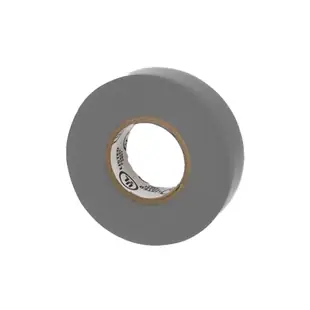
Warrior Wrap 7mil General Vinyl Electrical Tape Gray 0.75 inch x 60 ft
9001-22100
- Dimensions in listing
- 0.75 inch · 60 ft
Receptacle Tester for Standard Outlets tests NEMA 5-15P sockets for correct wiring
90W1-80100
- Connector references
- NEMA 5-15P
Solder Station Pencil type. 20 or 40 Watt switchable temperature settings UL listed
9005-10270
- Power rating
- 40 Watt


