
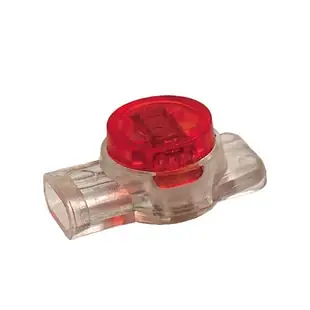
Match a low-voltage splice connector to the conductor
A bag of small splice connectors may look interchangeable until you inspect the wire count and gauge range. These listings include UR- and UY-style gel splices and B-type connectors. Identify the low-voltage circuit and cable construction before selecting a packet.
Which wire will it accept?
Read the supported conductor quantity, gauge range, insulation diameter and material from the specific model’s instructions. The red and yellow examples in this catalog have different published wire ranges. Use the printed model designation to identify a reorder instead of relying on color alone.
Budget for the actual connections
Count the individual splices called for in the work order and verify the compatible installation tool. Follow the equipment and connector makers’ instructions on application and environment. If your job involves a different circuit type, look for a connector specifically listed for it.
Replacing an existing telephone splice
A photograph of the outside of a splice may show its color but hide the information needed for a like-for-like replacement. Use the cable jacket markings and circuit documentation to identify the conductors and their purpose. Ask what environment the repaired connection will occupy and whether the specified splice must address moisture or enclosure requirements. Gel in the connector does not give an entire exposed installation an environmental rating. Capture the accepted connector part number, compatible wire range and quantity from the work order. Those details make it possible to replenish a field kit without guessing which small connector the technician used.
Choosing a splice for a low-voltage service pair
Compare the connector's conductor-size range with the cable markings and the manufacturer's intended application. The 18110-1 UR-gel splice is listed for 19–26 AWG, while the 18120-1 UY-gel splice is listed for 22–26 AWG. The overlap in wire sizes does not make the two connector designs interchangeable for every splice. Check how many conductors enter the connector, their type and insulation limits, the installation tool and the expected environment. For an existing installation, take a photograph of the splice package or service drawing before discarding the last known matching piece.
Check the job specification before replacing a discontinued splice
When a technician asks for “another one like the old red connector,” find the job specification or the connector maker’s original part information first. Note the supported conductor construction, number of wires and approved use of the existing component. Then compare a proposed substitute line by line, including whether the same tool and enclosure arrangement remain suitable. If a customer or equipment operator specifies an approved part list, ask who may authorize a substitution. Keep the original and proposed numbers together in the record. Two visually similar splices can be sold for different conductors or environments, which makes color a weak basis for an approved replacement.
Compare parts for your setup
Platinum Tools - UR-Gel Splice Connector, 19-26 AWG, Red, 100 piece box
18110-1
- Wire gauge
- 19-26 AWG
- Package quantity
- 100 piece
Add the appropriate signal insert behind a TV and cover unused openings with matching blanks. The pack contains 100 pieces; count the parts required per installation.


