
Choosing between slim and ultra-slim Cat6A patch cords
A row of short leads can occupy more space than the switch itself. Slim Cat6A cords can improve access, but compare the gauge and outside diameter of the exact models. “Slim” alone is not a single physical specification.
Does 28 AWG differ from 32 AWG here?
This assortment includes both sizes and different shielding arrangements. Ask for the permitted patch length and PoE guidance for the complete design, particularly for dense bundles. Do not carry a length recommendation for one gauge over to another without the manufacturer’s documentation.
Where is the most useful place for a trial?
Use a crowded panel with a realistic route through the organizer. Try releasing the latch and closing the manager cover. Check the link at its intended rate, record the length and keep sample labels so future replenishment matches the version you approved.
How can purchasing keep visually similar versions distinct?
Include gauge and shield design alongside category, color and length on each line item. Make a sample label for the spare bin as well. Two short black cords can have different conductor sizes and approved uses even if a person standing in front of the rack sees only their boots.
Compare conductor size before packing a dense rack
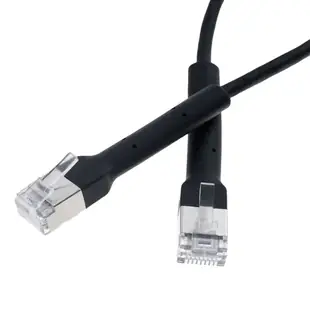
A high-density patch bay can benefit from smaller cords, especially where the bundle makes a turn into a side manager. The shielded 13X6-50001 is described as a 32 AWG slim Cat6a cord. Ask the designer to check permitted lengths and the intended powered-device loads for that construction. A cable that fits the organizer is only useful if it suits the complete channel. Test how adjacent boots release when a row is full, and label remote ends before threading them through the common bundle. The first fully populated row is a better sample than one loose cord.
A shorter row of cords can free more space than a thinner jacket
Take a photograph of the rack from the side and trace where the spare length collects. If every two-foot run uses a ten-foot patch, changing conductor size alone leaves most of the unwanted loop in place. Measure actual routed lengths, include enough reach for service, and compare the resulting bundle with a sample slim design. For a powered device on an extended channel, ask the network designer to approve the specific lead length and gauge. Store short specialty cords separately from general desk spares so their intended duty stays clear. When comparing orders, record how many usable ports remain accessible after the sample row is complete, whether the door closes, and how easily someone can swap one individual link. Those observations are more useful than comparing outside diameters in isolation.
Compare parts for your setup
Shielded Ultra Slim Cat6a Ethernet Cable, 10 Gig, 500 MHz, 32 AWG, F/UTP, UL, CM, Bendable Boot, Black, 1 foot
13X6-50001
- Ethernet category
- Cat6a
- Wire gauge
- 32 AWG
- Length
- 1 ft
Use the 1 ft lead between nearby switch and patch-panel ports; measure the path through the cable organizer first.
Match the shielded cord to the grounding and shielding design of the installed channel and check both port speeds.
Slim Cat6a Gray Copper Ethernet Cable, 10 Gigabit, 500 MHz, Clear Boot, POE Compliant, 6 inch
13X6-62100.5
- Ethernet category
- Cat6a
- Data rate
- 10 Gigabit
- Length
- 6 in
Use the 6 in lead between nearby switch and patch-panel ports; measure the path through the cable organizer first.
Cat6a UTP Patch Cable, Slim 28awg, 3.6mm OD, Bendable Flex Boot, White, 9 inch
13X6-89100.8
- Ethernet category
- Cat6a
- Wire gauge
- 28awg
- Dimensions in listing
- 3.6mm
- Length
- 9 in
Use the 9 in lead between nearby switch and patch-panel ports; measure the path through the cable organizer first.


